Best seller

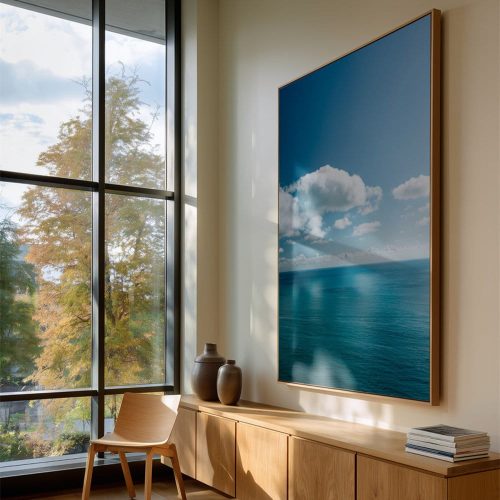
See it framed
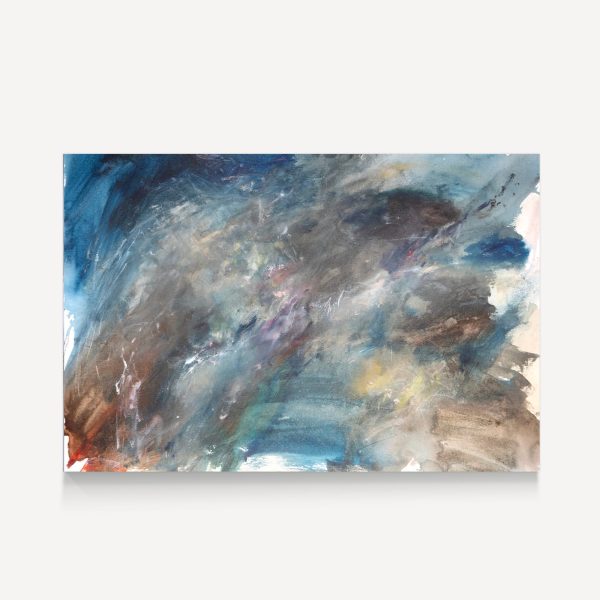
Petra Meikle Above the Shallows
From $54.99
Popular collections
Shop by
About
Help
Your entry hall is the first thing you see when you come home, and the first impression guests get before they've looked anywhere else. Browse our collection of ready-to-hang entry hall wall art, made to order in Australia and designed to suit a range of styles, sizes, and spaces.
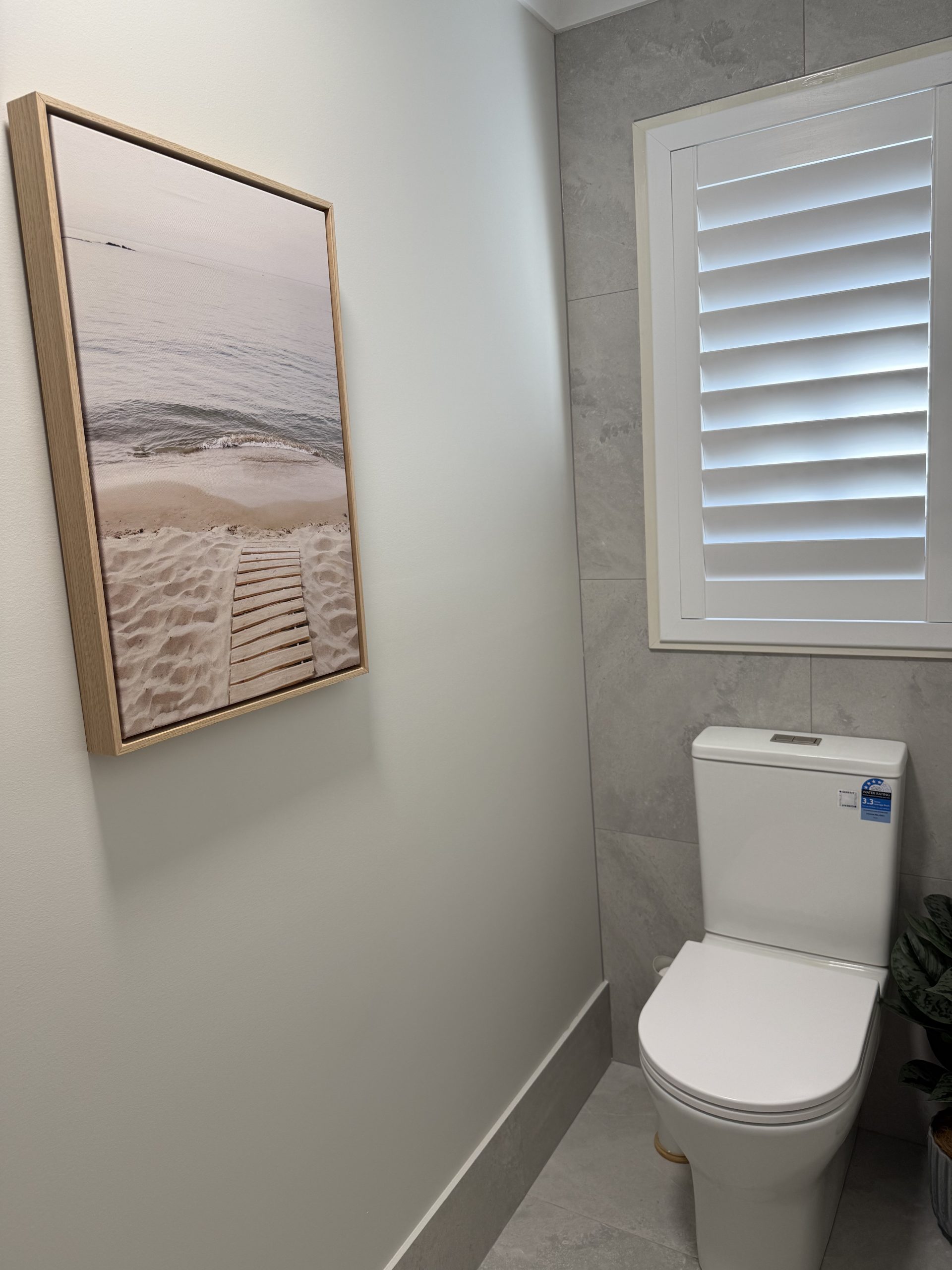
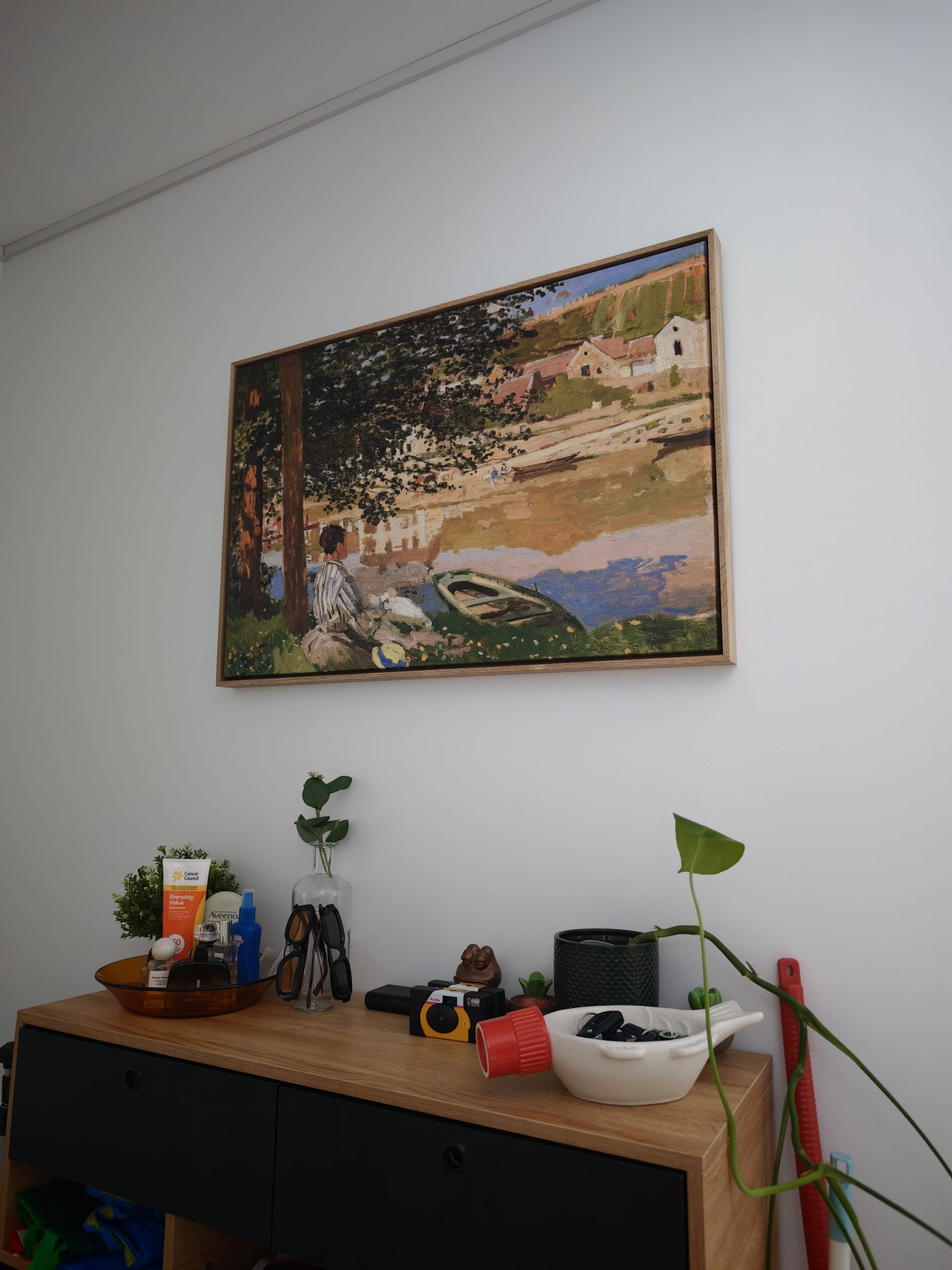
Customer photos
Buying guide
Aim for art about two-thirds to three-quarters of the width of the sofa, bed or console beneath it. Smaller than half looks lost; a pair or trio fills the gap.
Centre a single piece about 145 cm from the floor, or leave 15–25 cm between the furniture and the bottom of the frame.
Oak and white suit light, airy rooms; black sharpens contemporary spaces. Stretched canvas gives a frameless gallery edge.
Entry halls suit a wide range of artwork. Abstract prints and landscapes tend to make an immediate visual impact — great if you want the space to feel considered from the moment you walk in. Botanical art and coastal prints bring a calm, welcoming feel that works well in most homes. If you prefer something quieter, line art and minimalist pieces are a clean, versatile option that pairs easily with most interiors.
Portrait orientation tends to work well in narrow hallways — it draws the eye upward and makes the space feel taller. For wider foyer walls or above a console table, landscape or square formats can be a strong choice. As a general guide, art above a console table looks best when it’s proportional to the width of the furniture, with some breathing room between the bottom of the frame and the table surface. If you’re filling a large wall, browse our extra large art or sets for options designed to make more of an impression.
Both formats suit entry halls well, but there are a few practical differences worth knowing. Canvas prints have no glass, which makes them a good fit for high-traffic areas — no glare from hallway lighting, and no risk of breakage if someone passes close. They sit flush to the wall and are easy to live with day to day. Framed prints behind high-clarity glass offer a more polished, gallery-style finish and work particularly well in formal entry spaces or foyers. Both options arrive ready to hang and are available in a range of sizes.
If your hallway is on the darker side, prints with lighter backgrounds — soft creams, whites, or high-contrast tones — can help the space feel brighter and more open. Our neutral art collection is a popular choice for this reason. For a warmer feel, earthy and beige tones work well — particularly alongside natural timber frames. If your entry flows into a living area, picking up a colour from that space helps the two rooms feel connected.
Every piece in this collection is made to order in Perth using quality materials and fade-resistant inks, then shipped ready to hang. Free shipping applies across Australia, with frames available in raw oak, white, or black. PayPal Pay in 4 is available at checkout if you’d like to spread the cost. If your order arrives damaged or has a manufacturing defect, we’ll arrange a replacement at no extra cost.
Questions
Still unsure? Our team replies within one business day.
It depends on your wall dimensions, but A2 (42x59cm) and A1 (59x84cm) are generally the most versatile starting points. They’re large enough to make an impression without overwhelming a narrow wall. If you have a particularly long or tall corridor, going bigger can actually work better than a smaller piece that gets lost in the space.
The professional standard is to centre the artwork approximately 145cm from the floor. This sits at average eye level and is the same benchmark used by galleries. If you’re hanging above a console table, the 145cm rule still broadly applies — just make sure you leave 15–25cm of breathing room between the bottom of the frame and the table surface.
Canvas is the more practical choice for busy households. It has no glass, so there’s no risk of shattering and no glare from hallway lighting. It also sits flush against the wall, which is useful in narrower spaces. Framed prints behind high-clarity glass are a great option too — they give a more refined, gallery-style finish — but canvas wins on pure practicality in high-traffic zones.
Choose a piece that’s roughly two-thirds the width of the table. Leave around 15–25cm of space between the bottom of the frame and the table surface. This keeps the vignette feeling balanced rather than cramped or disconnected. Line art and botanical prints are classic choices above a console — simple enough to let the furniture breathe, but strong enough to anchor the space.
It doesn’t need to match perfectly, but it should feel cohesive. The easiest way to achieve this is through colour. If your living room uses warm neutral tones or earthy greens, carry those into your entryway palette. Think of it less as matching and more as telling the same story with slightly different words.
Yes, and it works really well. A linear gallery — a straight row of matching frames running along one wall — creates a sense of journey through the corridor and adds visual rhythm without cluttering the space. Aim for 40–60mm gaps between frames, keep your frame finishes consistent, and consider starting with a pre-curated set that’s already designed to be displayed together.
Select prints with light backgrounds, soft creams, or high-contrast tones to help the space feel open and welcoming. Light palettes and black and white prints are both popular choices for exactly this reason. Adding a picture light above the artwork can also make a big difference — it draws the eye straight to the piece and adds warmth even when natural light is limited.
Filter
Black Friday Early Bird
Join the list and get your Early Bird code: 10% off everything, 15% off orders over $500. Valid until 30 November.
Your code is on its way
Check your inbox in a minute or two. If it’s not there, look in Promotions or Spam.